













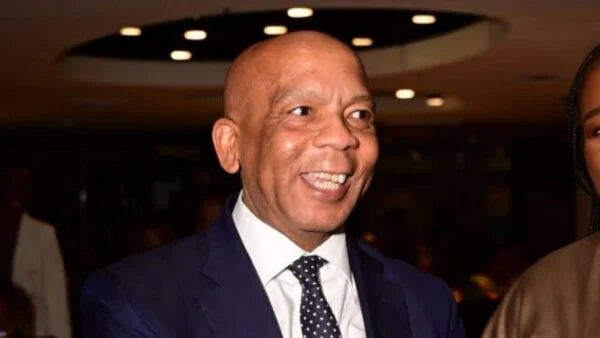
Electricity and Energy Minister Kgosientsho Ramokgopa says the revised pricing policy will prevent compliant consumers from carrying the cost of unpaid electricity debt.
Electricity and Energy Minister Kgosientsho Ramokgopa says the revised pricing policy will prevent compliant consumers from carrying the cost of unpaid electricity debt.
Image: Supplied
QUALIFYING mense could soon get free basic krag, according to Electricity and Energy Minister Kgosientsho Ramokgopa.
Ramokgopa said the policy would also strengthen social protection measures for poor and vulnerable households through a modernised system for administering free basic electricity.
The government plans to integrate electricity beneficiary information with existing Home Affairs and social grant databases to identify households that qualify.
He said: “…There’s a good chance someone who qualifies on a social grant, the person is most likely to also qualify for free basic electricity.”
The system would include automated annual verification, allowing households’ eligibility to be reassessed as their circumstances change.
Ramokgopa said the policy also seeks to address affordability and ensure consumers are not unfairly burdened by costs arising from inefficiencies, municipal debt and non-payment.
The minister said the revised policy would introduce a more transparent and cost-reflective electricity tariff structure, with electricity bills required to clearly show how charges are calculated.
Ramokgopa wysed: “What we’re also doing with the pricing policies is to provide a framework for transparent and efficient cost-reflective tariffs.”
He said the aim was to ensure consumers could see exactly what they were paying for, rather than being subjected to undisclosed costs.
Under the proposed system, electricity bills would be unbundled to show individual components of the tariff, including energy and generation costs, transmission and distribution network charges, ancillary services and municipal surcharges.
Ramokgopa said this would allow consumers to understand how electricity costs accumulated before reaching their final bill.
“It must be able to itemise how the municipality or Eskom has arrived at that which they say you owe the municipality or you owe Eskom,” he said.
The minister also took aim at the practice of passing the cost of non-payment and municipal debt on to consumers who consistently pay their electricity bills.